

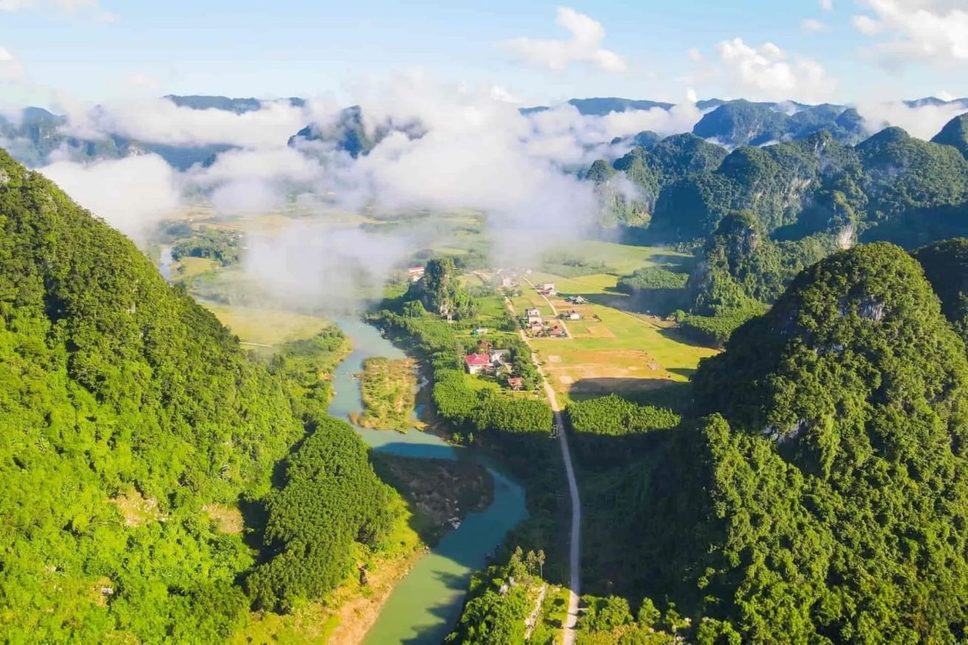
Phong Nha is famous for its spectacular caves, limestone mountains, and tropical forests. As more travelers discover this remarkable destination, protecting its natural environment and supporting local communities are becoming increasingly important.
Responsible tourism in Phong Nha means exploring its natural wonders while minimizing environmental impact, respecting local culture, and making travel choices that benefit the region.
Why Responsible Tourism Matters in Phong Nha
Phong Nha–Ke Bang National Park is a UNESCO World Heritage Site, recognized for its exceptional limestone landscapes, cave systems, and biodiversity.
Its underground rivers, delicate cave formations, and forest ecosystems require careful protection. Tourism can support conservation and local livelihoods, but poorly managed activities may also create waste, disturb wildlife, and damage natural habitats.
Responsible travel helps reduce these impacts while preserving Phong Nha’s natural heritage for future generations.
Protecting Phong Nha’s Caves and Natural Environment
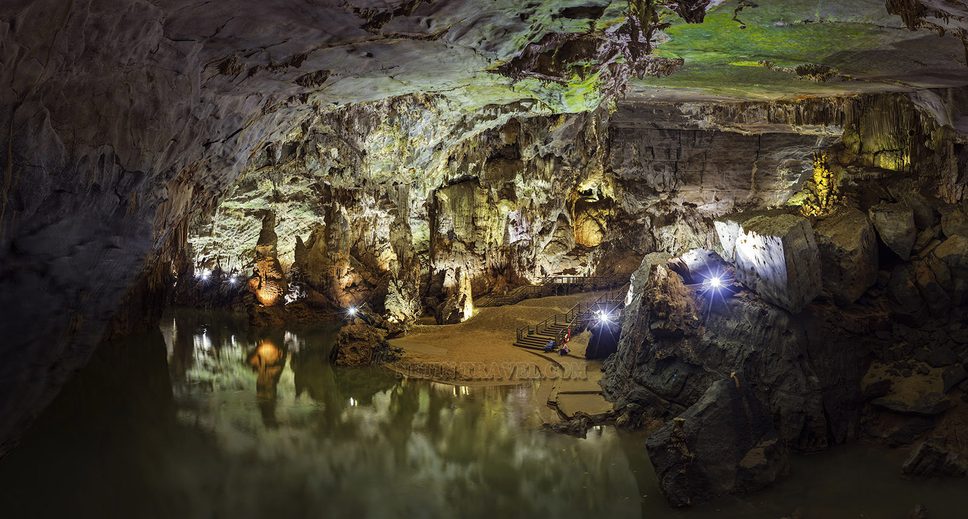
Exploring caves is one of the highlights of visiting Phong Nha. Popular attractions such as Phong Nha Cave and Paradise Cave allow travelers to admire extraordinary limestone formations while following established visitor routes.
To protect these fragile environments, visitors should stay on designated paths, avoid touching stalactites and stalagmites, and never remove rocks or natural materials.
The same principles apply to jungle trekking and river activities. Avoid littering, disturbing wildlife, or damaging vegetation, and always follow the instructions of local guides and park authorities.
Supporting Local Communities and Businesses
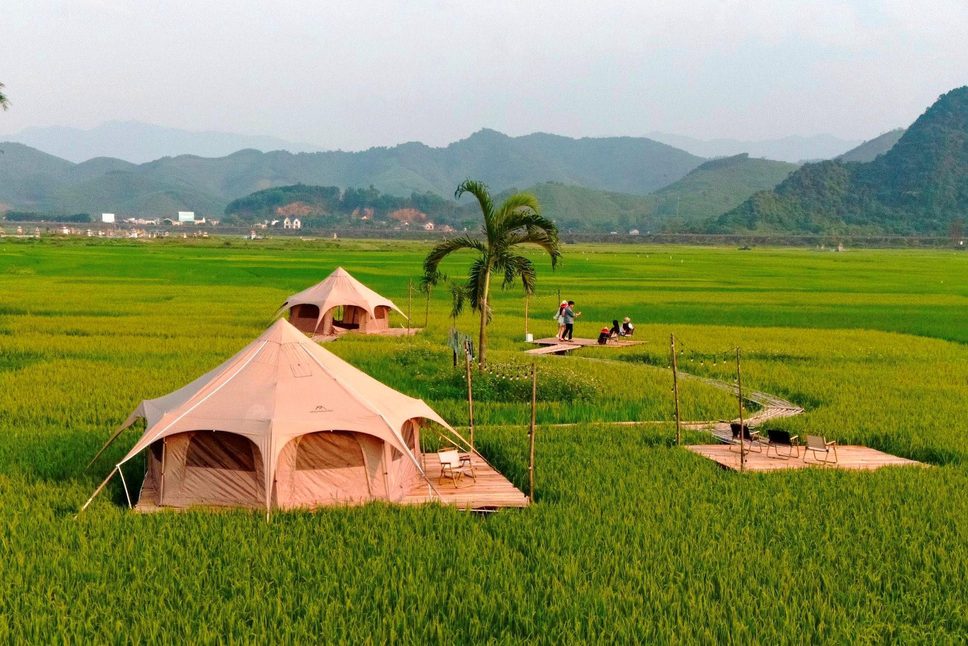
Supporting local communities is an important part of responsible tourism in Phong Nha. Staying at locally owned homestays, eating at family-run restaurants, and using local services help tourism income reach the people who live here.
Beyond the famous caves, Phong Nha’s villages offer opportunities to experience rural life and learn about local traditions.
When visiting communities, travelers should respect local customs, ask permission before taking photographs, and support businesses that treat local people fairly.
Reducing Waste and Traveling Sustainably
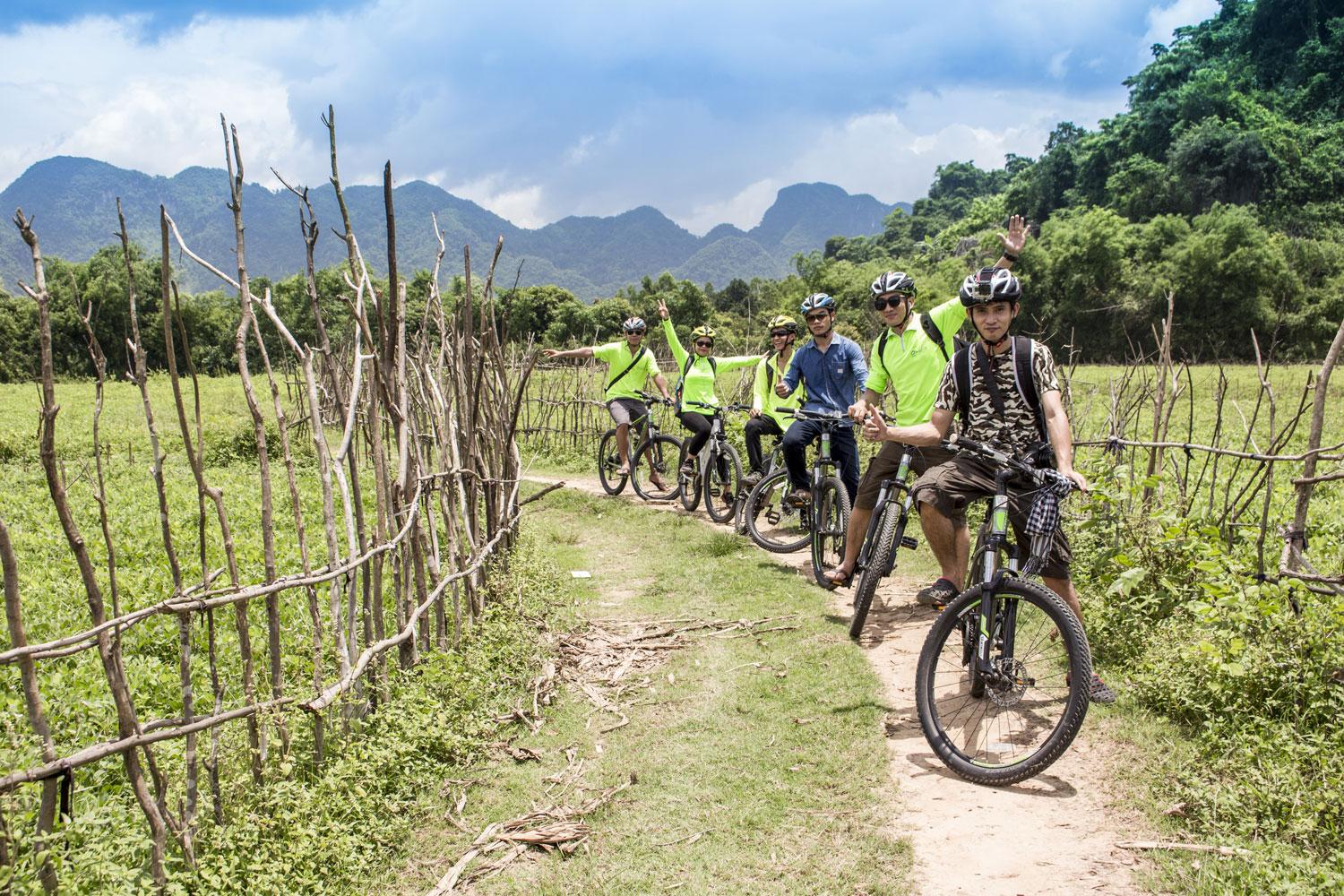
Simple travel habits can make a difference in keeping Phong Nha clean. Bring a reusable water bottle, avoid unnecessary single-use plastics, and take your rubbish with you when visiting caves, rivers, or forest trails.
Walking and cycling are great ways to explore Phong Nha’s countryside while reducing emissions. For attractions farther from town, consider shared transportation or group tours instead of traveling separately.
Making thoughtful transport choices helps reduce your environmental footprint while enjoying the region at a more relaxed pace.
Choosing Responsible Cave and Trekking Tours
Choosing the right tour operator is essential for responsible cave exploration and jungle trekking in Phong Nha.
Look for operators that follow conservation regulations, use authorized routes, provide proper safety equipment, and work with experienced local guides. Responsible tours should also manage waste carefully and avoid unnecessary disturbance to natural habitats.
For challenging cave expeditions, professional guidance is particularly important. Local guides understand the terrain, weather conditions, and safety requirements, helping travelers explore responsibly while protecting sensitive environments.
Respecting Wildlife and Local Culture
Phong Nha–Ke Bang National Park is home to diverse wildlife and plant species. Visitors should observe animals from a distance, avoid feeding wildlife, and never collect plants or disturb natural habitats.
Respecting local culture is equally important. When visiting villages, be mindful of local traditions, respect residents’ privacy, and ask permission before photographing people or their homes.
How Travelers Can Make a Positive Difference
Responsible tourism does not require major changes to your travel plans. Small decisions, such as choosing local services, reducing plastic waste, following cave regulations, and respecting nature, can make a meaningful difference.
By traveling thoughtfully, visitors can help protect the landscapes and communities that make Phong Nha special.
Final Thoughts
Responsible tourism in Phong Nha begins with simple choices. Protecting cave formations, reducing waste, supporting local businesses, and respecting wildlife all contribute to preserving this remarkable destination.
By traveling responsibly, visitors can enjoy Phong Nha’s natural beauty while helping protect its environment and cultural heritage for future generations.